
Electric vs Gas Brush Cutter
The comparison of electric vs gas brush cutter is no longer just about power source—it’s about performance, safety, and efficiency in real-world land clearing conditions.
Quick Answer: A remote control electric tracked brush cutter offers lower maintenance, quieter operation, and improved safety, while gas-powered machines are still used for traditional heavy-duty applications.
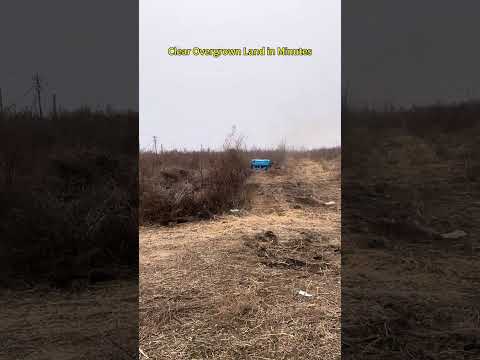
Click to watch real working video
1. Key Differences
| Feature | Electric (Remote Control Tracked) | Gas |
|---|---|---|
| Power Output | Stable torque | High peak power |
| Maintenance | Low | High |
| Noise | Low | High |
| Operation | Remote control possible | Manual operation |
| Environment | Clean & electric (future standard) | Emissions |
2. Is Electric Powerful Enough?
Modern electric tracked brush cutters deliver stable torque, making them highly effective for dense grass, shrubs, and complex terrain. Unlike traditional engines, electric systems provide consistent output without performance drops.
3. When to Choose Electric
- ✔ Slopes and rough terrain
- ✔ Safety-critical environments
- ✔ Low maintenance requirements
- ✔ Noise-sensitive areas
4. When Gas Still Makes Sense
- Large flat farmland
- Long continuous working hours
- Existing fuel-based workflows
5. Best Choice for Modern Land Clearing
For most professional applications, a remote control electric tracked brush cutter provides the best balance of safety, efficiency, and operational cost.
Electric systems are becoming the industry direction due to lower maintenance, better control, and compatibility with automation systems.
Free consultation · Fast response
Get a Tailored Recommendation
Tell us your terrain and vegetation—we will recommend the right machine.
📧 sales@apexterramachining.com
📱 WhatsApp: +86 190 0648 1639
Contact Us